The Representative Office of Association Central Asia in Uzbekistan (ACARO) has consistently raised concerns about the protection of the health and the right to medical care of people deprived of their liberty. In particular, ACARO Director Gulnoz Mamarasulova has put forward a number of recommendations aimed at ensuring timely access to quality healthcare for prisoners, addressing existing barriers to medical services, and strengthening the legal safeguards protecting their right to health.
Against this background, the recent monitoring visits conducted by the Commissioner of the Oliy Majlis of the Republic of Uzbekistan for Human Rights (Ombudsman) to closed institutions in the Samarkand region are particularly noteworthy, especially the practical measures taken to assess the health of people held in detention.
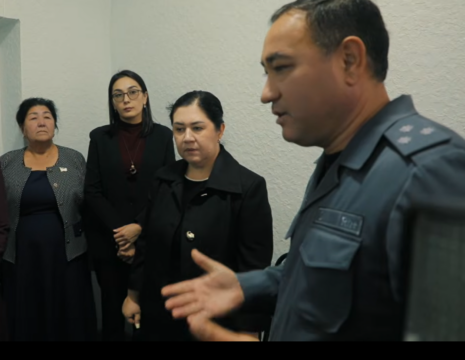
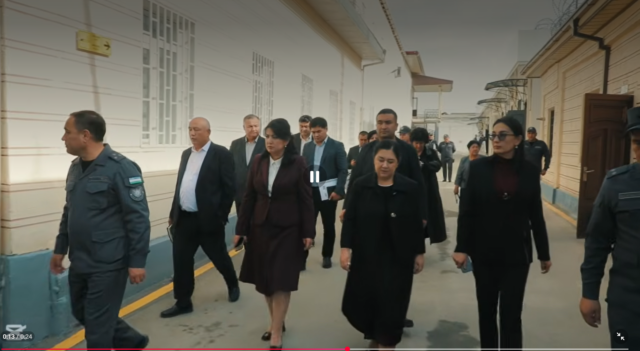
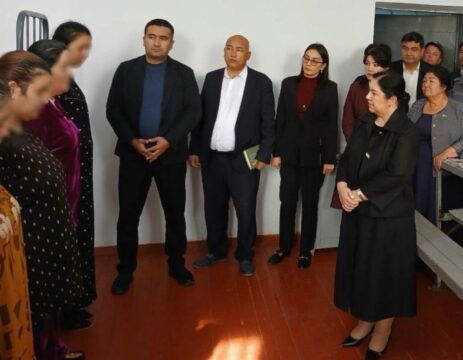
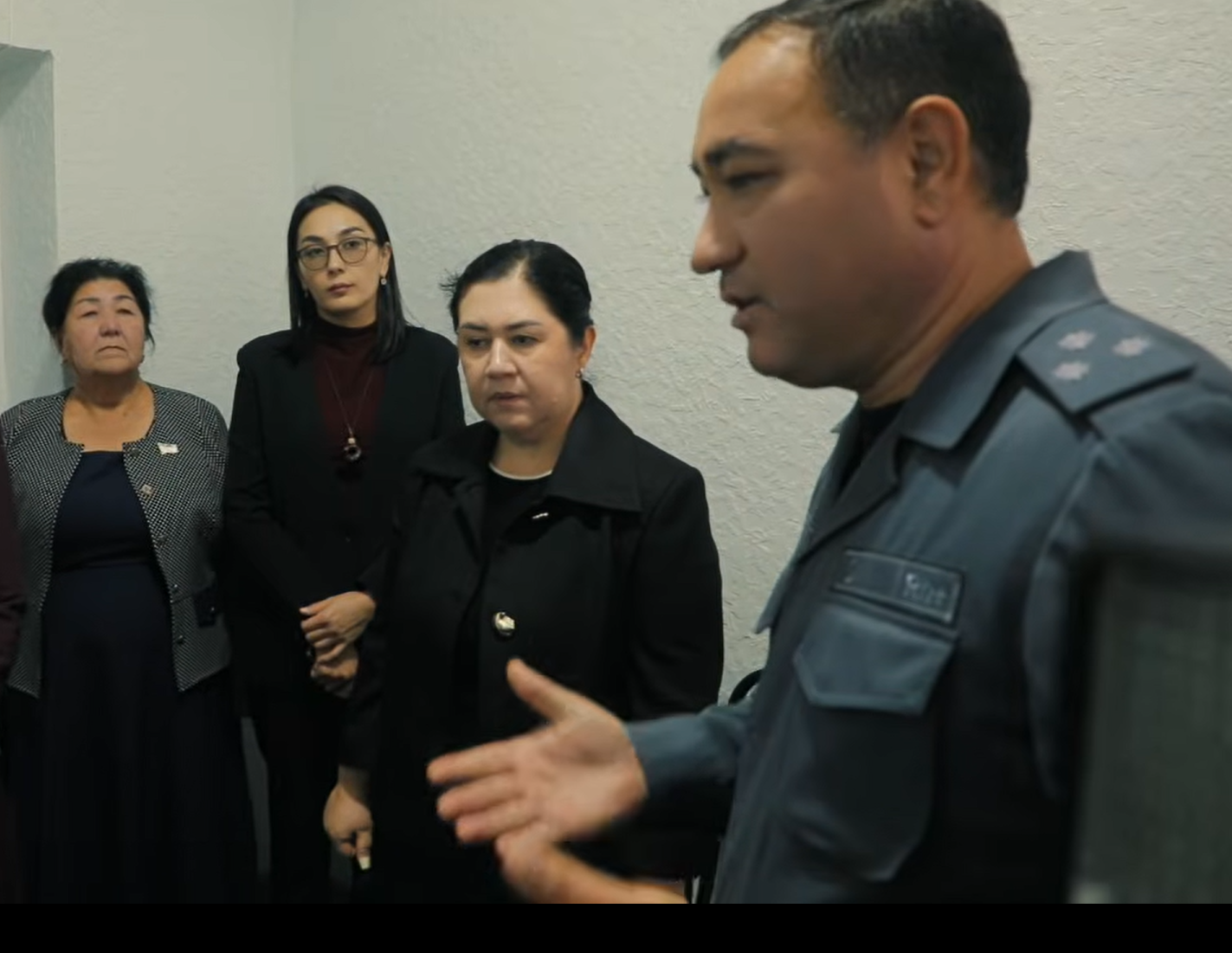
On November 19–20, 2026, Ombudsman Feruza Eshmatova and members of the Public Group for the Detection and Prevention of Torture, including representatives of the Representative Office of Association Central Asia in Uzbekistan (ACARO), conducted monitoring visits to several institutions holding people whose freedom of movement is restricted in the Samarkand region.
Over the two days, the monitoring team examined conditions at temporary detention facilities operated by the Internal Affairs Departments in Samarkand and Urgut, the regional special detention centre, Settlement Colony No. 38, the Muruvvat residential care institution for women with disabilities in Urgut, and the regional branches of specialized addiction treatment and mental health institutions. On the second day, the team also visited Pre-trial Detention Facility No. 7, the temporary detention facility of the Ishtikhan District Internal Affairs Department, and the interdistrict facility providing medical assistance to people in a state of intoxication.
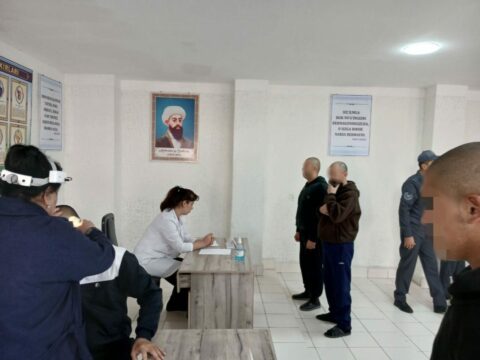
One of the most significant aspects of the visit was the organization of comprehensive medical examinations for people held at Pre-trial Detention Facility No. 7. In cooperation with the Regional Health Department, medical specialists from more than ten fields were involved in examining nearly 400 detainees.
While such initiatives are important, medical examinations alone are not sufficient. They must be followed by appropriate treatment for identified health conditions, implementation of medical recommendations, referrals of seriously ill patients to specialized healthcare facilities, and continued monitoring of their health. For people living with chronic illnesses or requiring regular medical supervision, access to healthcare must be an ongoing service rather than a one-off intervention.
According to official information released by the Ombudsman, during the first nine months of 2026, monitoring visits to institutions holding people whose freedom of movement is restricted resulted in a total of 61 formal measures submitted to the relevant ministries and government agencies, including submissions, formal requests, and findings. It is equally important that the public receive regular information on how many of these measures have been implemented, which shortcomings have been addressed, and what tangible improvements have been made to the conditions of people held in these institutions.
The Representative Office of Association Central Asia in Uzbekistan (ACARO) welcomes the Ombudsman’s monitoring visits to closed institutions. At the same time, ACARO will continue to advocate for improvements in the quality of healthcare in detention facilities, effective handling of prisoners’ health-related complaints, expanded opportunities for independent public monitoring, and concrete measures to address the problems identified during monitoring activities.