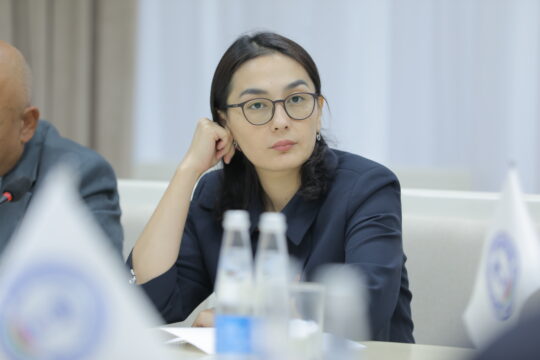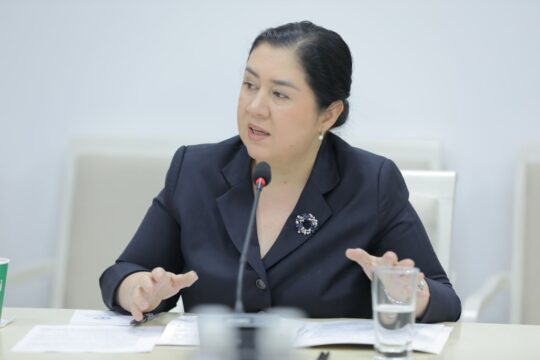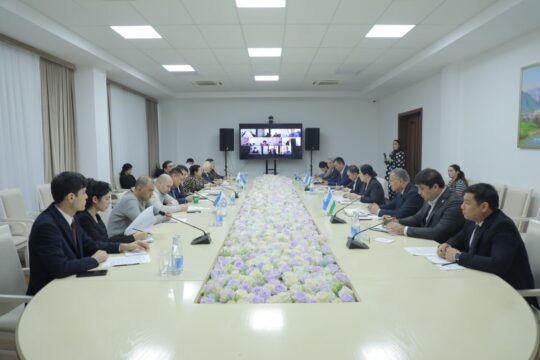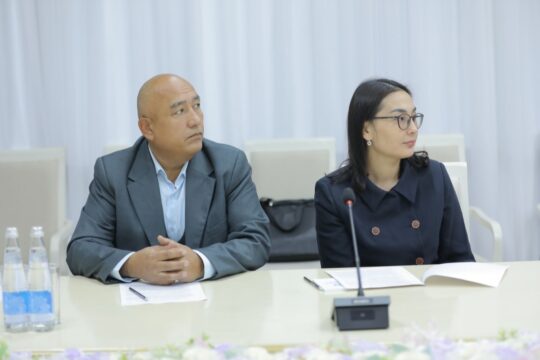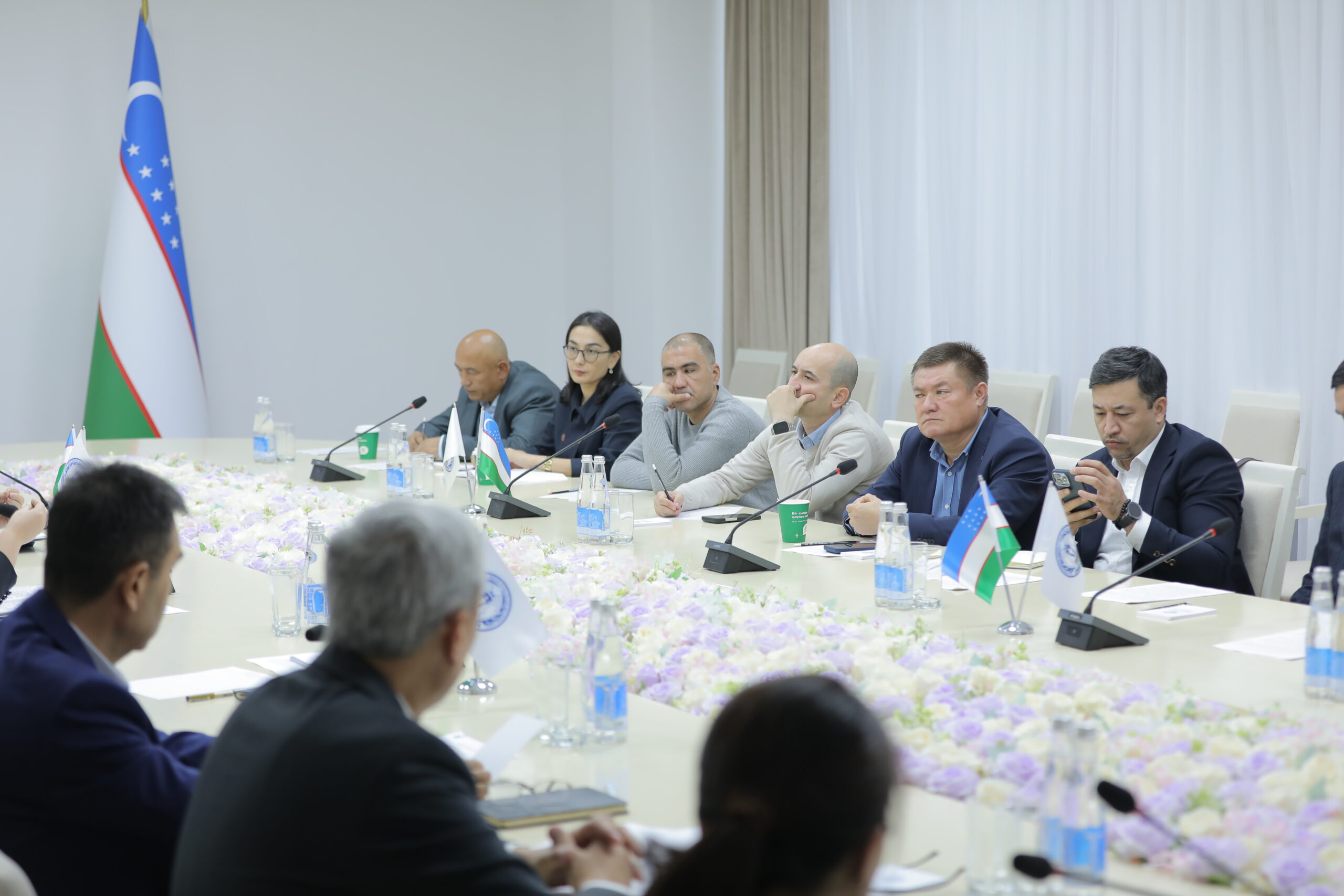
On November 13, 2026, a meeting was held between Feruza Eshmatova, the Commissioner of the Oliy Majlis of the Republic of Uzbekistan for Human Rights (Ombudsman), and representatives of non-governmental organizations (NGOs) to discuss human rights protection, the role of civil society, and opportunities for strengthening cooperation in Tashkent. Gulnoz Mamarasulova, Head of the Representative Office of Association Central Asia in Uzbekistan (ACARO), participated in the meeting and presented several proposals based on the organization’s human rights work, issues identified through public monitoring, and its experience of engagement with civil society organizations.
During the meeting, Ombudsman Feruza Eshmatova emphasized the institution’s openness to cooperation, stating: “Our new building is truly a home for human rights. Our doors are always open, and we are ready to work with you.” Her remarks carried particular significance for civil society representatives. An open-door approach to human rights protection should mean more than simply welcoming visitors. It should also involve listening to people’s concerns, accepting critical feedback, acknowledging existing problems, and working together to find solutions. In this context, meaningful engagement with independent human rights defenders and NGOs, including their observations, recommendations, and concerns about sensitive issues, is essential to building trust between public institutions and civil society.
The meeting included a discussion of the proposed platform, “Ombudsman and Civil Society: Dialogue and Solutions.” The initiative envisages a series of thematic meetings throughout the year, providing opportunities for NGOs, human rights defenders, and other civil society representatives to raise concerns encountered in their work, share findings from public monitoring activities, and put forward recommendations for improving legislation and administrative practices. Proposals and recommendations emerging from these discussions are expected to be consolidated and submitted to relevant government authorities with the Ombudsman’s support. The platform could therefore provide an additional channel for incorporating civil society’s practical experience into public decision-making, bringing systemic problems identified at the local level to the attention of responsible institutions, and maintaining dialogue on possible solutions.
Speaking at the meeting, Gulnoz Mamarasulova stressed that civil society organizations should not be limited to reporting problems or attending official events. Instead, they should be recognized as equal partners in developing decisions and recommendations aimed at protecting human rights. She highlighted the importance of ensuring that NGOs can operate independently and freely, establishing mechanisms for jointly examining alleged human rights violations, translating public monitoring findings into practical measures, and following up on the implementation of recommendations submitted by the Ombudsman to government authorities. She also emphasized the need for open discussions about administrative barriers affecting independent organizations, their ability to conduct public oversight, and the response of public institutions to critical views expressed by civil society representatives.
Another important issue raised during the meeting concerned women’s rights, particularly the safety and protection of women experiencing harassment and violence. Mamarasulova emphasized the need for an independent assessment of how effectively the protection order system operates in practice. Issuing a protection order does not, in itself, guarantee that a woman’s safety has been secured. The central questions are whether protection orders genuinely protect survivors from further violence, whether they help prevent repeated abuse, and whether affected women can access the legal, psychological, and social assistance they need. Against this background, she proposed monitoring the practical effectiveness of protection orders with the participation of independent NGOs, examining survivors’ experiences, and developing recommendations to address identified shortcomings in existing protection mechanisms. Such an approach would make it possible to assess the effectiveness of responses to violence not only through official statistics but also through the lived experiences and actual needs of women affected by abuse.
The proposed dialogue platform is expected to provide an important space for sustained discussion of these and other human rights concerns, bringing together the observations, experiences, and recommendations of organizations working across different sectors. Ensuring the participation of independent NGOs, regional civil society activists, and human rights defenders will be particularly important. Equally essential will be the opportunity to discuss concerns openly and establish a feedback mechanism through which participating organizations can learn how their proposals have been considered by the relevant government authorities. Human rights challenges cannot be addressed through the efforts of a single organization or public institution alone. Meaningful progress requires independent monitoring, open dialogue, mutual trust, and, above all, a genuine commitment to addressing the problems identified.
The Representative Office of Association Central Asia in Uzbekistan (ACARO) will actively participate in meetings organized under the platform and will continue to contribute recommendations based on its experience in human rights protection and the findings of its public monitoring activities.